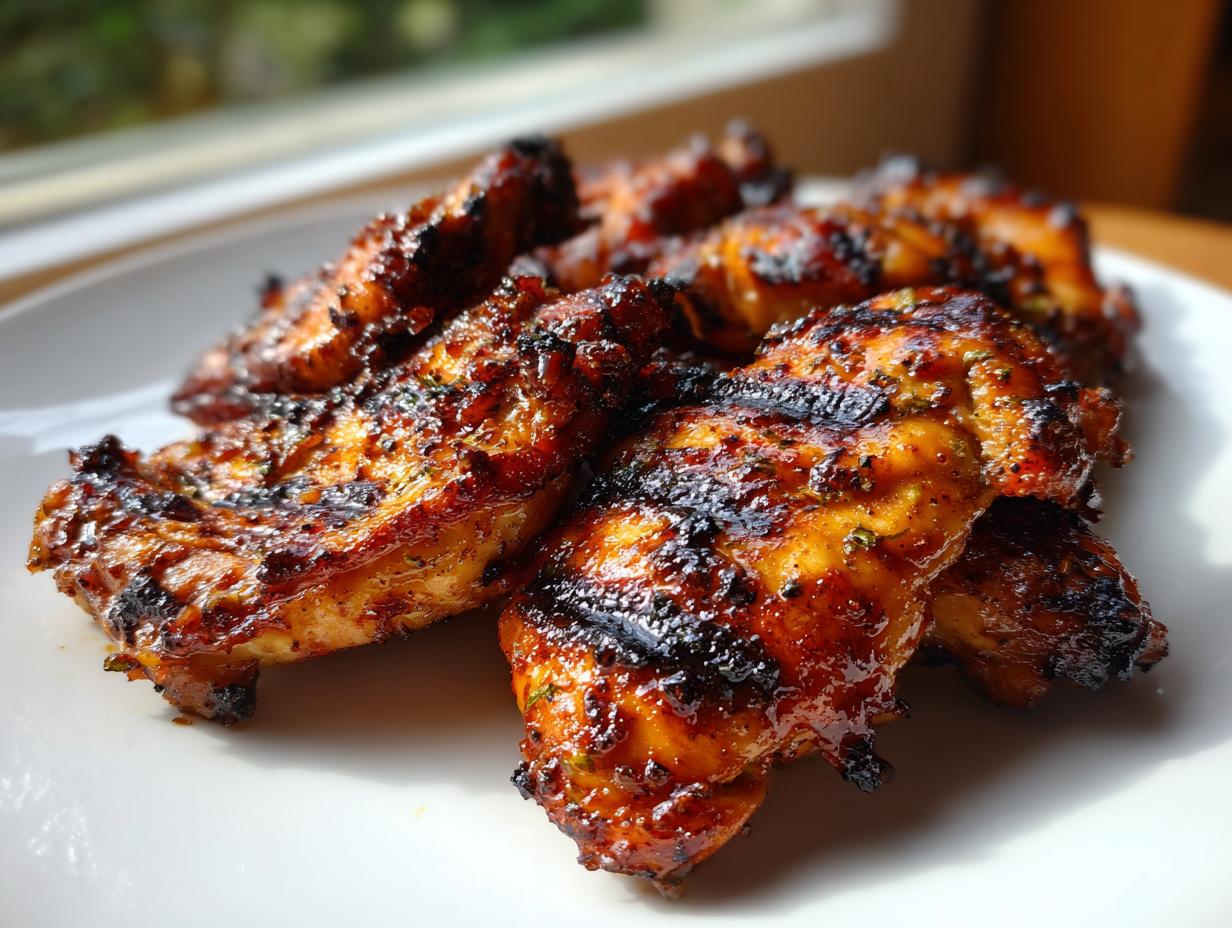
Unlock Juicy Chicken: Essential Tips for the Perfect Marinade
Transforming an ordinary piece of chicken into a culinary masterpiece often begins with one simple, yet incredibly powerful technique: marinating. A well-crafted
chicken marinade doesn't just add flavor; it infuses every fiber with moisture, tenderizes the meat, and sets the stage for a truly unforgettable meal. Whether you're aiming for a quick weeknight dinner or preparing for a backyard barbecue, understanding the fundamentals of marination is your secret weapon for consistently juicy, flavorful chicken.
The magic of a great marinade lies in its ability to penetrate the chicken, breaking down tough proteins and introducing a symphony of tastes. It’s a game-changer for meal prep, allowing you to stock your freezer with ready-to-cook, pre-seasoned chicken that’s a lifesaver on busy evenings. From zesty Mediterranean to savory Asian profiles, a versatile repertoire of marinades can elevate your cooking to new heights.
The Anatomy of an Exceptional Chicken Marinade
At its core, a successful
chicken marinade is a delicate balance of three essential components: a fat, an acid, and a blend of flavor-imparting aromatics and spices. Each plays a crucial role in delivering that perfect bite.
- The Fat Component: Carrier of Flavor and Moisture
Fats are the unsung heroes of marinades. They not only help carry fat-soluble flavors into the chicken but also create a barrier that locks in moisture during cooking, preventing your chicken from drying out. Olive oil is a popular choice for its robust flavor, especially in Mediterranean-inspired marinades. However, neutral oils like canola, sunflower, or avocado oil are excellent for recipes where you want the other flavors to shine, such as a delicate teriyaki. Beyond oils, full-fat yogurt or buttermilk can serve as both a fat and a mild acid. Their enzymes gently tenderize the meat, resulting in incredibly moist and succulent chicken, perfect for dishes like tandoori or fried chicken.
- The Acid Component: Tenderizer and Brightness Booster
Acids are vital for tenderizing chicken by denaturing proteins on the surface, making the meat more receptive to flavor absorption. They also add a bright, tangy counterpoint to richer ingredients. Fresh lemon juice is a go-to for its vibrant zest, while lime juice offers a distinctively aromatic touch. Vinegars, such as apple cider, balsamic, or rice vinegar, each contribute their unique character – balsamic for a sweet and savory depth, rice vinegar for a subtle tang in Asian dishes, and apple cider for a fruity, sharp note. A word of caution: while acids tenderize, too much acid or over-marinating for extended periods (especially beyond 24 hours) can actually "cook" the chicken, leading to a mushy or rubbery texture.
- The Flavor Boosters: Aromatics, Spices, and Sweeteners
This is where the magic truly happens – the blend of ingredients that defines your marinade's identity.
- Aromatics: Freshly minced garlic and grated ginger are foundational in many cuisines. Chopped fresh herbs like rosemary, thyme, oregano, or cilantro add a burst of freshness. Diced chilies or red pepper flakes can introduce a pleasant heat.
- Spices: Pantry staples like garlic powder, onion powder, smoked paprika, cumin, and dried oregano are fantastic for building complex flavor layers. Don't shy away from specialized blends like taco seasoning, curry powder, or herbes de Provence to instantly transform your chicken's profile.
- Sweeteners: A touch of sweetness helps balance the acidity and encourages beautiful caramelization during cooking. Honey, maple syrup, and brown sugar are excellent choices, offering distinct flavor notes that enhance the overall profile.
- Pantry Staples: Ingredients like soy sauce (for umami and saltiness), Worcestershire sauce (for depth), rice vinegar, and even a dollop of tomato ketchup can provide a rich base of flavor.
Choosing Your Canvas: The Best Chicken Cuts for Marinating
While virtually any cut of chicken can benefit from a good marinade, certain cuts are particularly well-suited due to their cooking characteristics and ability to absorb flavor.
- Boneless, Skinless Chicken Breasts: These are arguably the most popular choice for marinating. Their lean nature means they can dry out quickly, making a marinade essential for retaining moisture and adding flavor. They cook rapidly, making them ideal for Easy Chicken Marinades for Delicious Weeknight Dinners. To ensure even cooking and maximum tenderness, consider pounding them to a uniform thickness before marinating.
- Boneless Chicken Thighs: A fantastic alternative to breasts, chicken thighs are inherently more flavorful and forgiving due to their higher fat content. They remain juicy even if slightly overcooked and are excellent for grilling, baking, or pan-frying. Their robust flavor pairs beautifully with a wide range of marinades.
- Other Cuts: Bone-in cuts like drumsticks or wings also benefit from marinating, though they require longer cooking times. The skin on these cuts can also become wonderfully crispy when grilled or roasted after marinating.
Mastering the Art of Marination: Key Techniques for Success
Getting the perfect marinated chicken isn't just about the ingredients; it's also about applying the right techniques.
- Prepare Your Chicken: For boneless breasts, consider slicing them in half horizontally to create thinner cutlets, which not only cook faster but also absorb more marinade. Alternatively, pounding breasts to an even thickness ensures uniform cooking.
- Make the Marinade: In a medium bowl, simply whisk together all your chosen marinade ingredients until well combined. This ensures an even distribution of flavors.
- Season Generously: Remember that a significant portion of the marinade will be discarded during cooking. Don't be shy with your seasoning! You want the flavors to truly infuse the meat.
- Choose the Right Container: Acidic ingredients in marinades can react with metal, potentially imparting an off-flavor to your chicken. Always opt for non-reactive containers such as plastic or silicone reusable bags, or glass or ceramic dishes. Reusable bags are particularly convenient for ensuring the chicken is fully coated and take up less space in the fridge or freezer.
- Marinate for the Right Duration:
- Minimum: At least 30 minutes, especially for thinner cuts. This allows surface flavors to develop.
- Ideal: 2 to 8 hours in the refrigerator. This timeframe allows flavors to penetrate deeper and the tenderizing action to occur without overdoing it.
- Maximum: Up to 24 hours in the refrigerator. While generally safe, be cautious, especially with marinades high in acid. Beyond 24 hours, the chicken's texture can be significantly altered, becoming mushy.
- Freeze for Future Feasts: One of the greatest benefits of marinating is the ability to prepare ahead. Place your chicken and marinade in freezer-safe bags, removing as much air as possible, and freeze for up to 3 months. This is an excellent way to Master 6 Pantry-Staple Chicken Marinades & Freeze for Later, creating a stash of flavorful meals. Thaw frozen marinated chicken in the refrigerator overnight before cooking.
Beyond the Basics: Elevating Your Marinade Game
Once you've mastered the fundamentals, a few extra insights can take your marinating skills from good to extraordinary:
- Balance is Key: Think about achieving a harmonious balance of sweet, sour, salty, umami, and even spicy elements. A well-balanced marinade will taste good on its own (before adding chicken, of course!).
- Emulsify for Flavor Distribution: When combining oil and acid, whisk vigorously until the mixture appears slightly thickened. This helps distribute flavors evenly and prevents the oil from separating.
- Don't Reuse Marinade: For food safety reasons, never reuse marinade that has come into contact with raw chicken. If you want some extra sauce for serving, set a portion aside *before* adding the chicken.
- Consider Your Cooking Method: Think about how the flavors in your marinade will interact with your intended cooking method. Smoky marinades are fantastic for grilling, while lighter, herb-based ones might shine best when baked or pan-fried.
With these essential tips and techniques, you're well on your way to unlocking the full potential of your chicken. A perfectly marinated piece of chicken promises not just flavor and juiciness, but also convenience and endless culinary possibilities. Experiment with different flavor profiles, trust your instincts, and enjoy the delicious rewards of your efforts!